Heating and Air Conditioning
Serving Bergen, Passaic, and Morris Counties

Tired of dealing with uneven temperatures, unexpected breakdowns, or a system that just isn't keeping up? Whether your home is too hot, too cold, or you're simply planning ahead for an upgrade, we're here to help. Tell us a little about your current setup, your town, and the comfort issues you're facing. We believe in straight talk, not sales pitches. We’ll help you figure out the most practical next step without overwhelming you with confusing industry jargon.
Explore our full list of services, or send us a message to get the conversation started.






Start with the service that fits your home. We serve Ridgewood and nearby communities in Bergen, Passaic, and Morris counties.
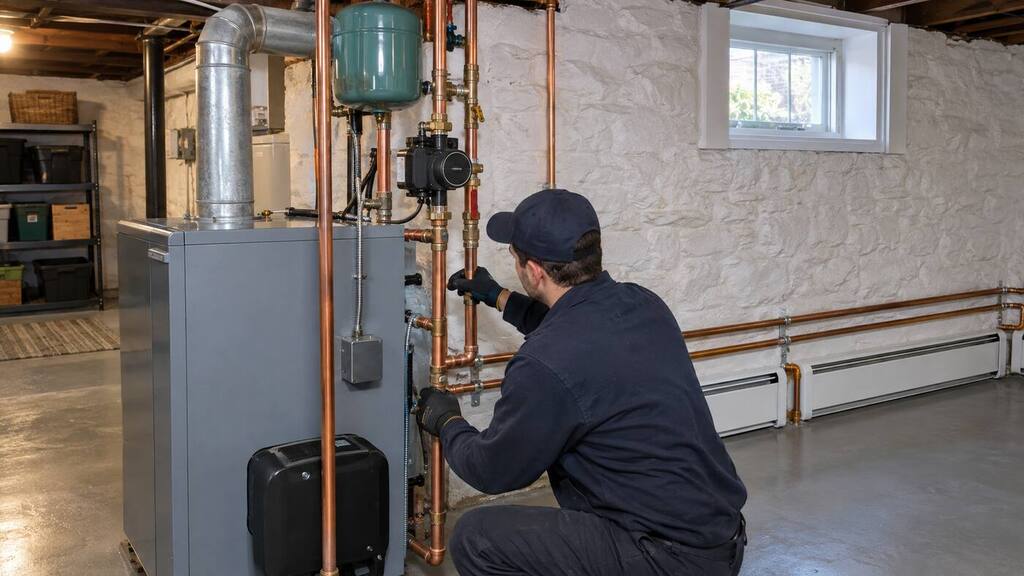
Don't let heating and cooling issues keep you guessing. Tell us a bit about your home and the exact problems you're experiencing. Our local team will evaluate your situation and point you toward the most practical, cost-effective next steps—no high-pressure sales, just clear and honest guidance.
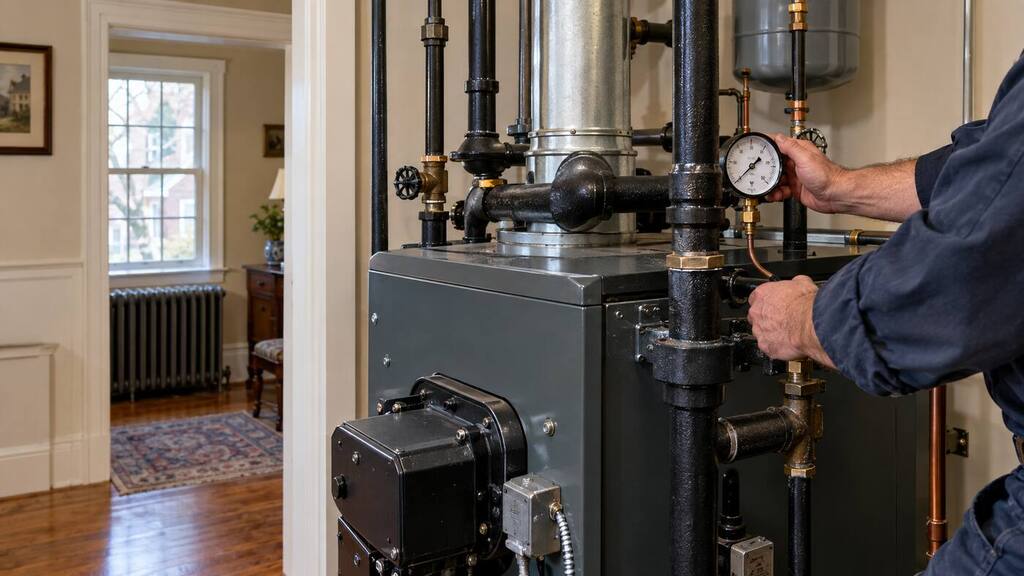
Steam radiators and boilers are unique heating systems that require specialized knowledge—and finding the right fix starts with asking the right questions. Are you dealing with stubborn cold rooms that never seem to warm up, loud banging or clanging pipes in the middle of the night, or concerning water leaks around your unit? Don't ignore these early warning signs. Tell us exactly what you're experiencing, and our experts will help diagnose the issue before it turns into a costly repair. Explore our comprehensive steam boiler services to learn how we can restore your home’s comfort.
Noticeable dust, stale rooms, and lingering moisture are clear signs your home isn't breathing properly. Finding the fix means looking beyond just your air filter and evaluating your entire airflow system. We can help you track down the source and restore clean, fresh air to every room in your house. Learn more about our indoor air quality solutions.
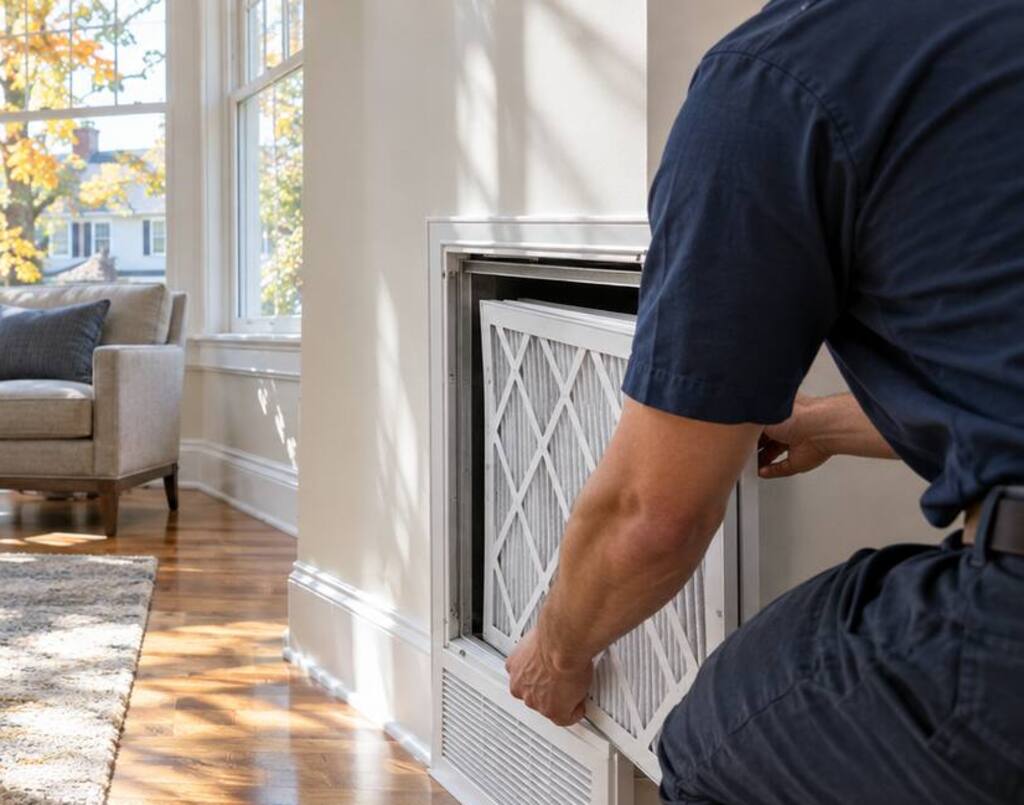
Stay ahead of the weather and avoid the stress of emergency repairs. A routine maintenance check gives you the opportunity to address minor system changes and wear-and-tear before heavy heating or cooling use begins. Ensure your comfort all season long— See maintenance and tune-ups.
Unlike forced-air systems, radiators and baseboards rely on a complex network of plumbing and water pressure to keep your home warm. When one room is cold or a baseboard is leaking, it often calls for attention to the whole system. We specialize in diagnosing and repairing hydronic heating setups, ensuring your boiler distributes heat evenly and efficiently. Explore boilers and hot water heating to see how we can optimize your system.
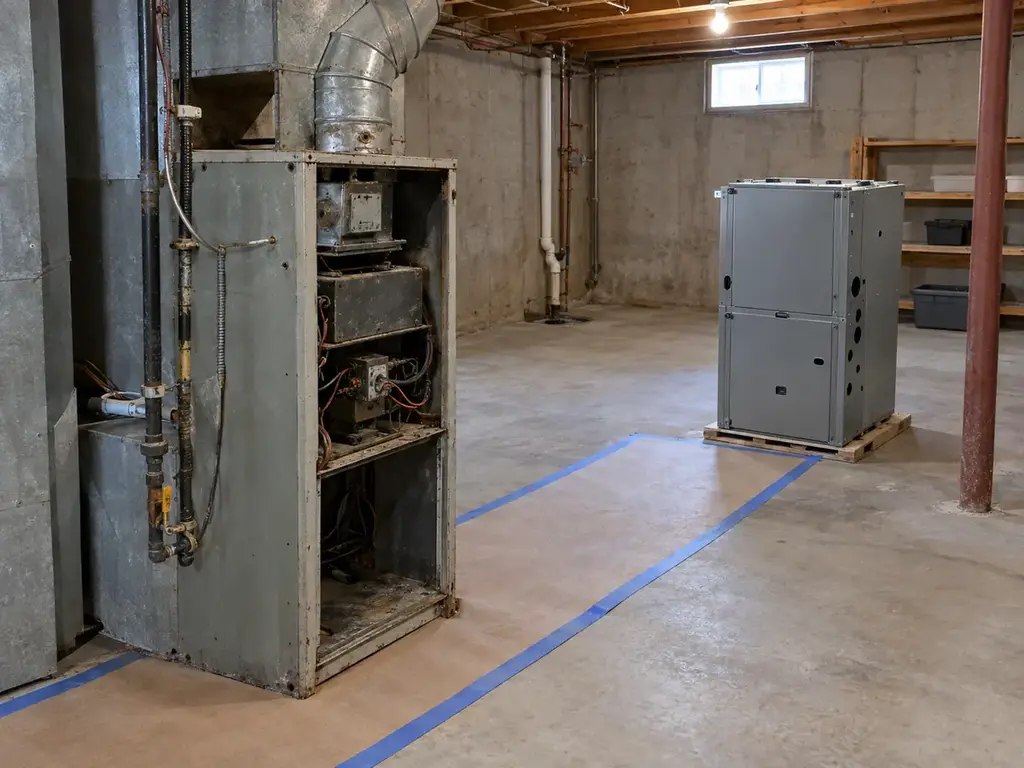
Understanding the home is as important as understanding the equipment. A discussion with an HVAC contractor should include the rooms that feel different and the controls already in use. Describe those observations when asking about HVAC repair, so the assessment has a useful starting point. We offer a full array of residential HVAC services, as well as commercial HVAC services.
For a heating concern, identify whether the home uses warm air, hot water or steam. That distinction helps frame questions about heating system repair, including the different checks involved in furnace service and repair and boiler repair. When hot water or steam lines are part of the problem, you may also need professional plumbing services.
Cooling choices also depend on the space. Review air conditioner repair when existing equipment struggles, and compare central air installation with ductless mini-split installation when planning a new way to cool an addition or another difficult room. We make mini-split intallations quick, easy, and affordable.
A thoughtful equipment decision looks beyond the label on the unit. Ask how HVAC equipment replacement would work with the rest of the home, and which parts of HVAC maintenance apply to the equipment you intend to keep.
Ridgewood HVAC serves the Village of Ridgewood (Bergen County) and nearby Glen Rock, Ho-Ho-Kus, Midland Park, Paramus and Wyckoff, NJ.
Ridgewood has some of the oldest housing in this part of Bergen County. The Census Bureau's five-year housing estimates for 2019–2023 give a median construction year of 1950, with about 85% of homes built before 1960 and roughly 37% built before 1940. Large colonials, Tudors and Victorians from the railroad-suburb era are common, and many of them still run on the cast-iron radiators and hot-water or steam boilers they were designed around.
Fuel oil has mostly faded: about 85% of occupied homes use utility gas, close to 9% heat with electricity and about 4% still use oil. PSE&G delivers both gas and power in the village.
Houses without ductwork are the norm in the older sections, so central air is often added later through attic air handlers, high-velocity small-duct systems, or ductless mini-splits. Each has trade-offs in ceiling space, noise and cost. Steam systems in particular reward careful maintenance: venting, a clean sight glass and a level boiler water line make a large difference in comfort and fuel use.
The closest NOAA station with 1991–2020 normals is Teterboro Airport, logging about 4,700 heating degree days annually, mean January temperature near 33°F and July highs averaging around 87°F. Ridgewood sits on higher ground and typically runs a little cooler.
Under the state Uniform Construction Code, replacing a boiler, furnace or air conditioner with equipment of like capacity is minor work. The village's construction code office is notified first, paperwork is due inside five business days, and an inspector signs off. A new system or changes to piping layout require a full permit.
Owner-occupants with PSE&G service may qualify for instant rebates on efficient boilers, furnaces, central air and heat pumps installed by a participating contractor.
Expect the technician to check combustion and venting, test safety controls, look at the flue and chimney connection, check the expansion tank and pressure on hot-water systems, and inspect the burner. For cooling, refrigerant pressures, airflow and the condensate drain should all be checked. Ask for a written list of findings so repair-or-replace decisions are based on facts rather than pressure.